
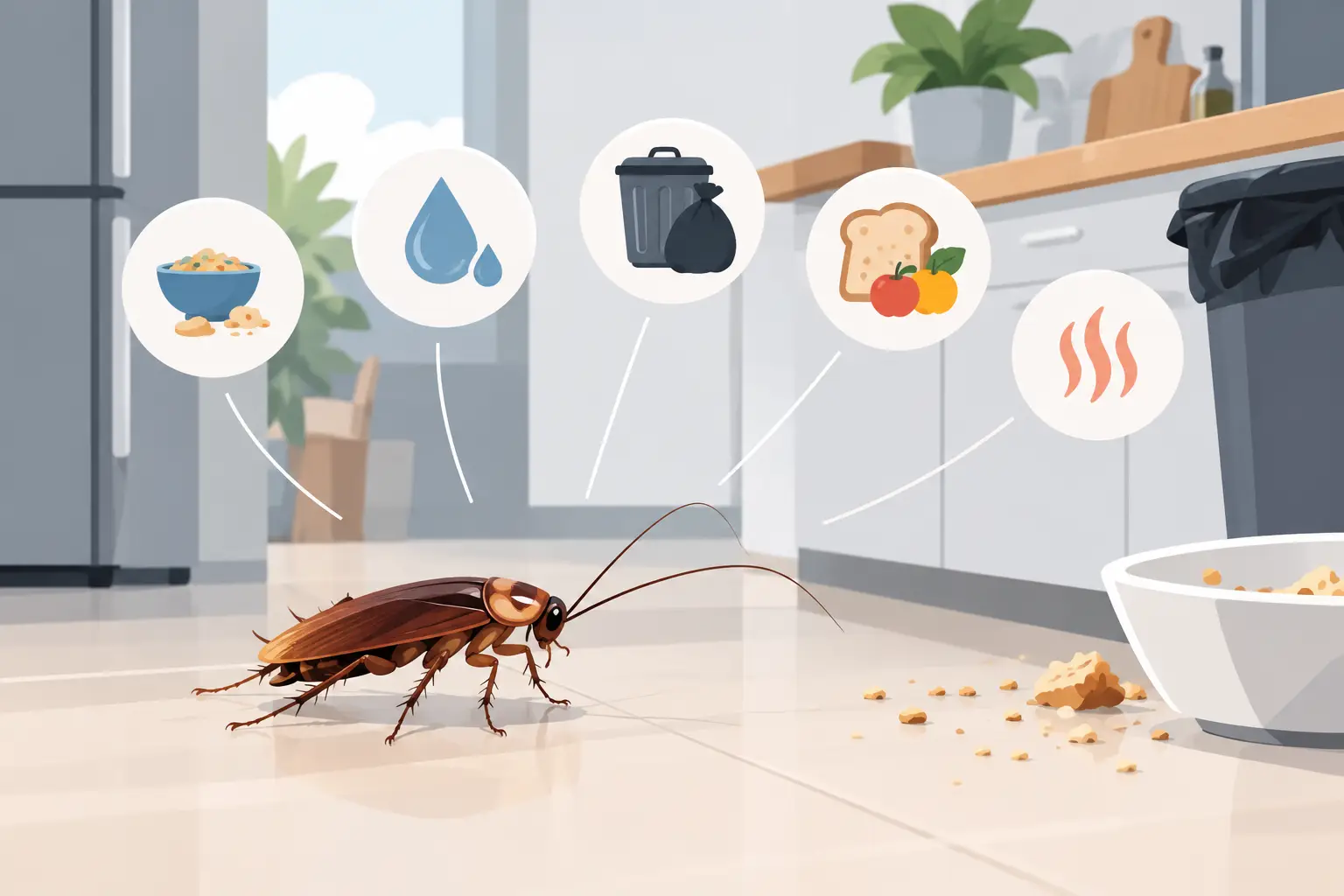
A cockroach sighting in the kitchen at night rarely means the kitchen is dirty. Cockroaches are skilled at finding the basics they need to survive: water, food, warmth, shelter, and a quiet path inside. Understanding what attracts indoor cockroaches helps homeowners, landlords, and business owners address the conditions that support an infestation before it spreads.
In Utah, cockroaches often move indoors when outdoor temperatures become less favorable, but they can establish themselves inside at any time of year. Once they find dependable moisture and hiding places, a few roaches can become a much larger problem quickly.
What Attracts Indoor Cockroaches Most?
Cockroaches are not looking for one perfect food source or one particular type of home. They are opportunistic pests. A well-kept house, apartment building, restaurant, office, or retail space can still have the small conditions they need to survive.
The biggest draw is usually water. Roaches can go longer without food than without moisture, which is why they are commonly found near kitchen sinks, bathroom plumbing, laundry rooms, utility closets, water heaters, and floor drains. A slow drip beneath a cabinet or condensation around a pipe can provide enough water to support them.
Food is the next major factor. Crumbs beneath appliances, grease on a stovetop, an unsealed bag of pet food, recycling residue, and garbage left overnight can all feed roaches. They also eat materials people do not always think of as food, including cardboard, paper, glue, soap residue, and food spills trapped in cracks.
Warmth and shelter complete the picture. Cockroaches favor narrow, dark spaces where they can rest undisturbed during the day. The gap behind a refrigerator, space beneath a dishwasher, cluttered storage areas, cabinet hinges, wall voids, and stacks of cardboard are all useful hiding spots.
Moisture Problems Can Matter More Than Crumbs
It is easy to focus only on cleaning when roaches appear, but moisture control is often the more urgent issue. A spotless kitchen with a leaking dishwasher connection can still be attractive to cockroaches.
Check beneath sinks, around toilets, behind washing machines, and near water heaters for dampness or leaks. Pay attention to cabinet bottoms that feel soft, stains around plumbing connections, and musty odors in utility areas. In multi-family properties, moisture may also come from an adjoining unit or a shared plumbing chase, so treating only one apartment may not solve the underlying problem.
Bathrooms can be especially appealing because they provide water, warmth, and multiple hiding places at once. Roaches may gather around pipe openings, vanity cabinets, shower plumbing, or floor drains. Reducing humidity, repairing leaks promptly, and sealing openings around pipes can make these spaces less inviting.
Food Sources Roaches Find That People Miss
Cockroaches need very little food, and they are active when most people are asleep. That means a few crumbs can be enough, especially when food is available night after night.
Kitchen cleanup should include the areas that are easy to overlook: beneath and behind the range, refrigerator, toaster, microwave, and dishwasher. Clean grease buildup from the stovetop and hood area, wipe cabinet interiors, and empty drip trays when applicable. Store pantry foods in tightly sealed containers rather than thin bags or open boxes.
Pet feeding areas deserve the same attention. Do not leave pet food out overnight if possible, and clean bowls and surrounding floors regularly. Keep dry food in sealed containers. Even birdseed, treats, and small amounts of spilled kibble can become a reliable food source.
Trash and recycling also matter. Use containers with close-fitting lids, take trash out on a consistent schedule, and rinse food containers before placing them in recycling. For businesses and multi-family properties, exterior dumpster areas should be kept clean and serviced regularly. A roach population outside can eventually find a route indoors.
Clutter Gives Cockroaches a Place to Hide
Cockroaches prefer to stay hidden. Their flat bodies let them squeeze into tight gaps, and clutter gives them more protected places to breed and travel without being noticed.
Cardboard is a common issue because it offers shelter and can retain moisture. Boxes brought in from storage areas, deliveries, grocery shipments, or another residence can also carry roaches or egg cases inside. Move items from cardboard into plastic storage bins when practical, and avoid keeping stacks of boxes in garages, basements, closets, or utility rooms.
Paper bags, piles of mail, crowded cabinets, and stored belongings can create the same problem. This does not mean a home or business must look empty. It means high-risk areas should be organized so plumbing, walls, floors, and appliance spaces can be inspected and cleaned.
How Cockroaches Get Inside in the First Place
Roaches may enter through cracks around doors and windows, gaps near utility lines, damaged weatherstripping, vents, and openings around plumbing. Small species can fit through surprisingly narrow spaces.
They can also be carried inside. Grocery bags, delivery boxes, used furniture, appliances, luggage, and items moved from another unit or workplace may transport cockroaches indoors. This is particularly relevant in apartments, condos, and commercial properties where people, packages, and belongings move between spaces every day.
In multi-family housing, roaches can travel through wall voids, pipe penetrations, hallways, shared laundry areas, and connected utility spaces. A clean unit may experience activity because the source is nearby. Property-wide inspection and coordinated treatment are often necessary to protect tenants and prevent roaches from simply relocating.
Prevention Steps That Make a Real Difference
Cockroach prevention works best when sanitation, moisture control, exclusion, and professional monitoring are handled together. Relying on a single tactic can reduce sightings temporarily without reaching the areas where roaches are hiding or breeding.
Start by repairing leaks, drying wet areas, and reducing food access. Then seal gaps around pipes, repair door sweeps, and close cracks where wiring or plumbing enters the building. Keep pantry items and pet food sealed, manage trash consistently, and reduce cardboard and clutter near kitchens, bathrooms, and utility rooms.
Be cautious with store-bought sprays. Spraying visible roaches may kill a few insects but can drive others deeper into walls, cabinets, or neighboring units. Some products can also interfere with bait-based treatments when used improperly. The right approach depends on the cockroach species, the size of the infestation, the building layout, and whether multiple units are involved.
When a Cockroach Sighting Needs Professional Help
One cockroach can be a warning sign, particularly if it is seen during the day. Roaches are usually nocturnal, so daytime activity may suggest they are competing for limited hiding space or that the population is growing.
Other signs include pepper-like droppings, shed skins, egg cases, a musty odor, and repeated sightings in kitchens or bathrooms. For businesses, a sighting can affect customer confidence and sanitation standards. For landlords and property managers, acting quickly helps protect tenants, reduce maintenance costs, and prevent a localized issue from spreading through the property.
A professional inspection can identify likely entry points, moisture sources, harborages, and treatment needs. Pest Xperts builds service plans around the actual property and pest pressure, which is especially valuable for homes, apartment communities, and facilities with connected spaces.
Cockroaches are persistent, but they are not invincible. If you are seeing activity, focus first on removing the water, food, and shelter that keep them comfortable, then get help early to stop a small problem from becoming a building-wide one.
continue reading
Related Posts
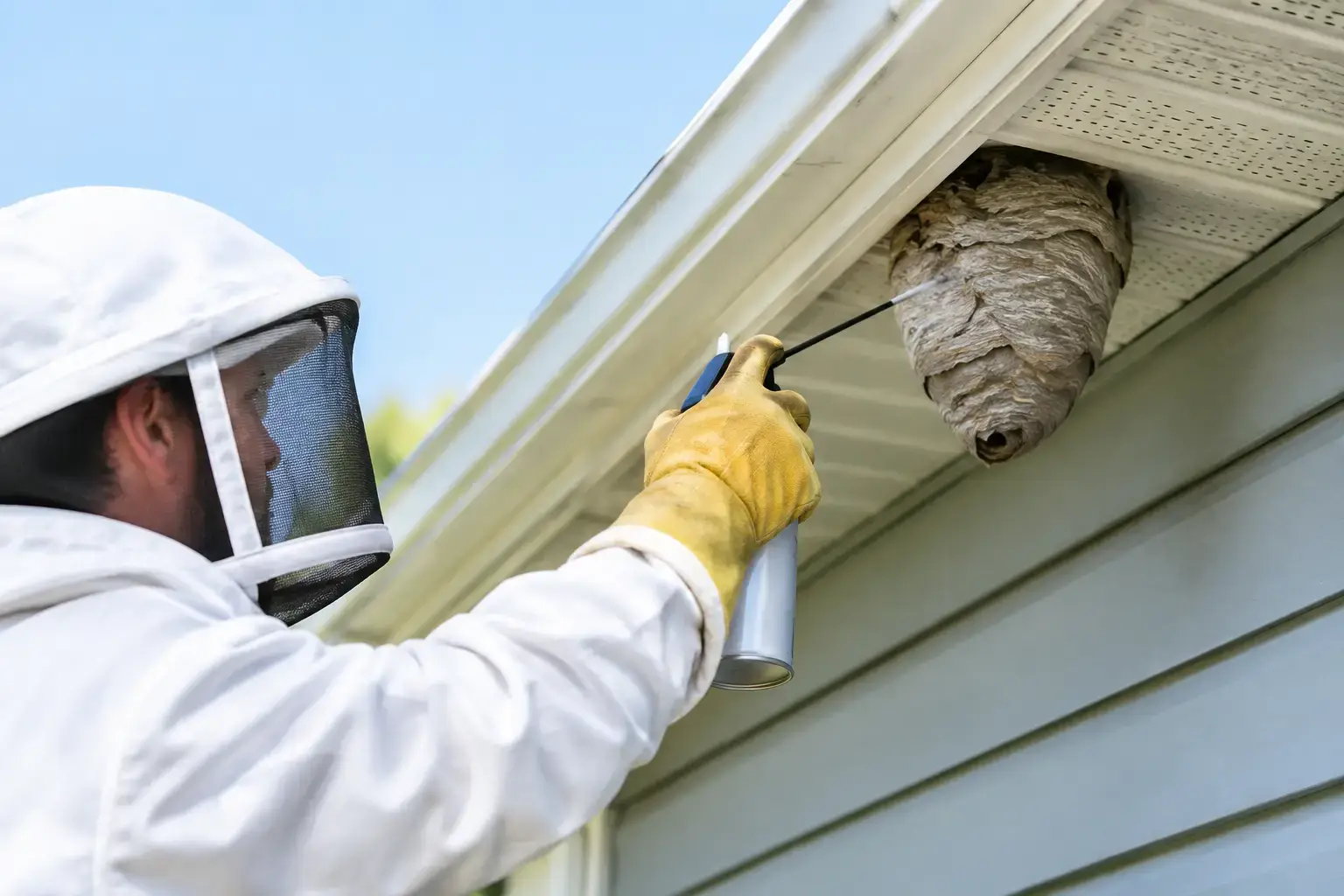
Learn how to remove wasps safely, recognize high-risk nests, and prevent repeat activity around your Utah home, rental property, or business quickly.
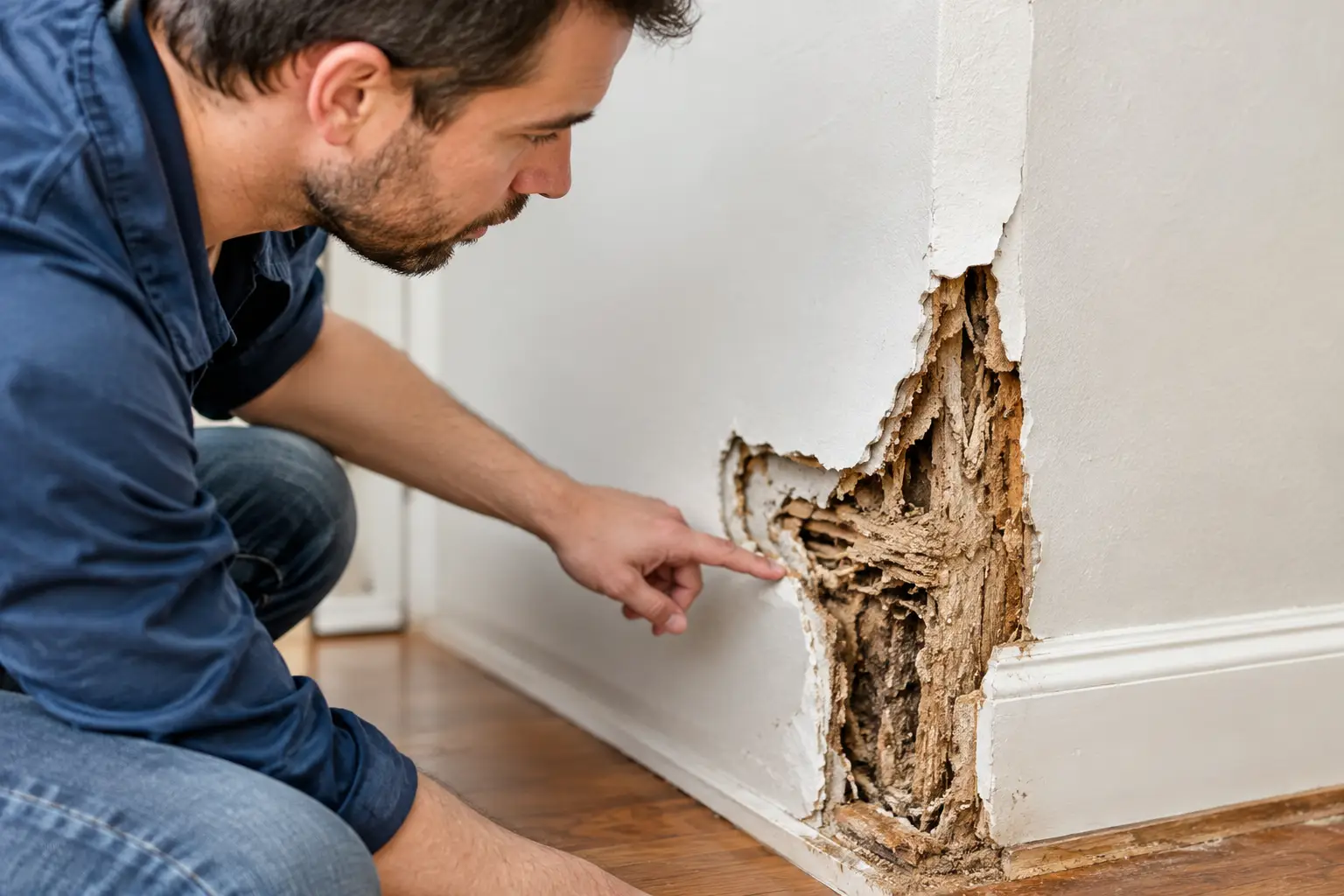
Learn the termite damage signs that merit a professional inspection, from mud tubes and hollow wood to stuck doors, bubbling paint, and swarmers indoors.

Professional versus store pesticides differ in more than strength. Learn when DIY products help and when expert pest treatment better protects Utah homes.