
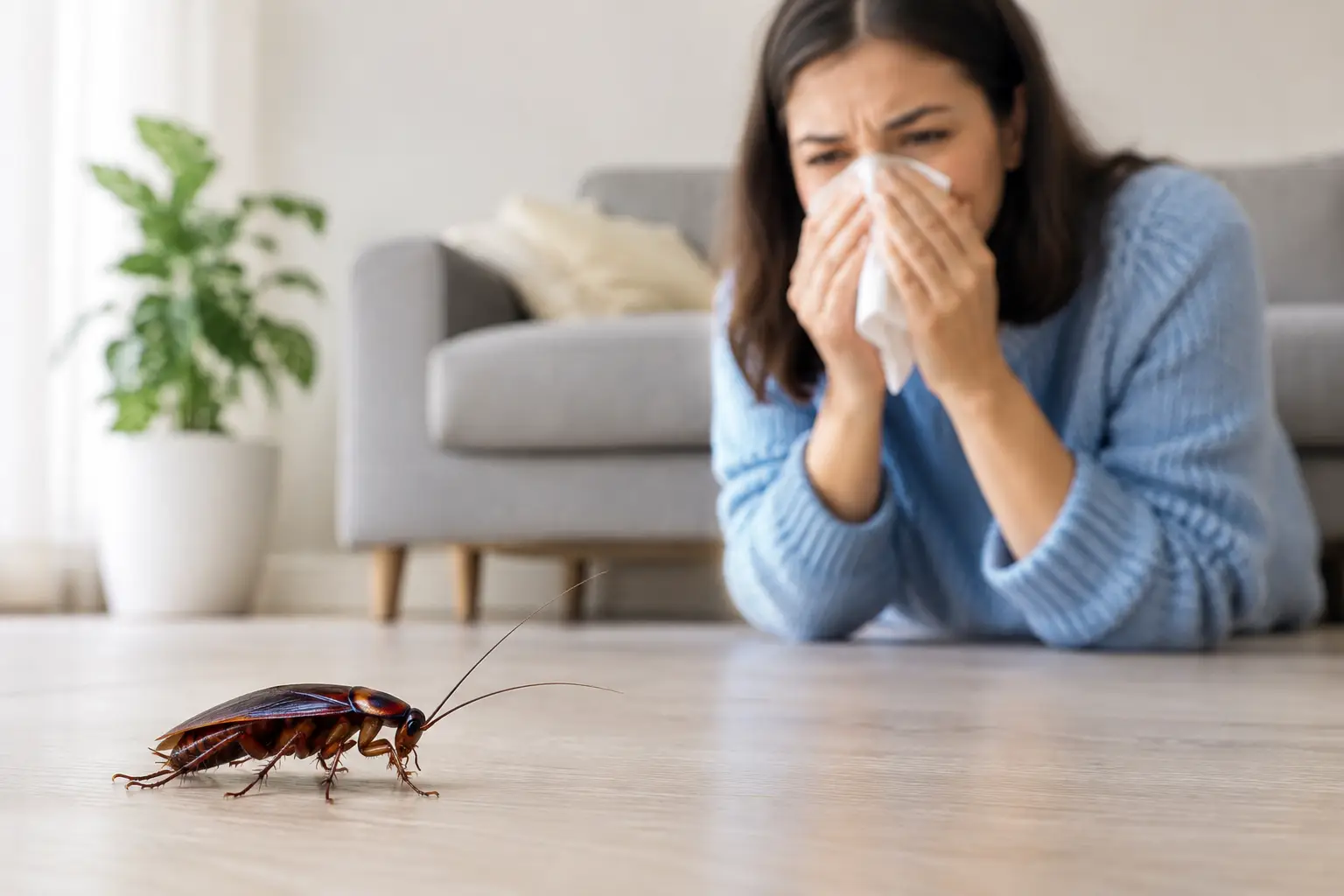
A cockroach sighting is unsettling on its own. But when someone in the home is coughing, wheezing, or waking up short of breath, the concern can be much bigger than a pest problem. Can cockroaches trigger asthma? Yes. Cockroach allergens can trigger asthma symptoms and may contribute to the development of asthma, particularly in children who are regularly exposed.
That does not mean every asthma flare-up points to roaches. Utah homes can also have dust, pet dander, mold, pollen, and other indoor triggers. Still, if cockroaches are active in your home, apartment building, restaurant, or other property, controlling them is a practical part of protecting the people inside.
How Cockroaches Can Trigger Asthma
Cockroaches leave behind more than the insects you see moving along a wall or under a cabinet. Their saliva, droppings, shed skins, and decomposing bodies contain proteins that can become airborne allergens. Once those particles settle into dust, they can collect in carpeting, upholstered furniture, bedding, kitchen cabinets, and HVAC-adjacent areas.
A person who is sensitive to these proteins may react when they breathe in contaminated dust. For someone with asthma, that exposure can irritate already-sensitive airways and lead to coughing, chest tightness, wheezing, or shortness of breath. The risk can be especially concerning for children, older adults, and people with existing respiratory conditions.
The key issue is exposure over time. Killing one or two visible roaches may reduce what you see, but it does not automatically remove allergens left behind. A complete response involves finding where roaches are harboring, stopping the infestation, and cleaning affected areas carefully afterward.
Signs Cockroaches May Be Affecting Indoor Air
Asthma symptoms can have many causes, so it is wise not to make assumptions. A healthcare professional can help identify asthma triggers and advise on treatment. At the same time, certain pest signs can make cockroach exposure more likely.
Look for small, dark, pepper-like droppings around cabinet hinges, drawers, under sinks, behind appliances, or near stored food. Larger roach species may leave cylindrical droppings. You may also notice shed skins, egg cases, a musty odor, or live roaches when lights are turned on at night.
In a multi-family property, activity in one unit can affect neighboring units through shared walls, utility openings, hallways, trash rooms, and plumbing lines. A tenant may keep a clean apartment and still encounter cockroaches if the broader building issue is not addressed. That is why property-wide inspection and coordinated treatment matter in apartments and other shared buildings.
Pay attention to timing, too. If respiratory symptoms seem worse at home, especially in kitchens, bathrooms, or bedrooms near known roach activity, it is worth discussing with a doctor and taking action on the pest issue. Do not wait for a severe reaction or a large visible infestation.
Why Roach Allergens Can Linger After Treatment
An effective cockroach treatment is essential, but it is only one part of reducing allergen exposure. Roach debris can remain in cracks, behind appliances, beneath cabinets, and inside clutter long after the insects are gone.
After professional treatment has begun and it is safe to clean the area, vacuum hard-to-reach spaces with a vacuum that has strong filtration. Damp-wipe counters, cabinet surfaces, floors, and shelves rather than dry dusting, which can stir particles into the air. Wash bedding, curtains, and washable fabric items if there has been activity nearby.
Avoid using bug bombs or foggers as a first response. They often fail to reach the cracks where cockroaches hide, and they can spread pesticide residue through living areas. In some situations, they may drive roaches deeper into walls or into other units. A targeted plan is generally safer and more effective than adding more products.
Reducing Cockroach Activity in Your Home
Cockroaches need food, moisture, shelter, and access. Removing those opportunities supports professional control and helps prevent a new infestation after treatment.
Start with moisture. Repair leaking pipes, do not leave standing water in sinks overnight, and dry areas around dishwashers, refrigerators, and bathroom fixtures. Even a small, ongoing leak can support cockroach activity.
Next, make food harder to access. Store pantry goods in sealed containers, clean crumbs and grease from counters and stovetops, rinse recyclables, and empty indoor trash regularly. Pet food should not sit out overnight when roaches are active.
Finally, reduce hiding places. Clear unnecessary cardboard, paper bags, and clutter from kitchens, utility rooms, garages, and storage areas. Seal gaps around plumbing penetrations, baseboards, and cabinets where appropriate. These steps are helpful, but they may not solve an established infestation on their own. Cockroaches reproduce quickly and can remain hidden in places homeowners cannot reasonably reach.
When Professional Cockroach Control Makes Sense
Professional help is a smart choice when you see repeated activity, find droppings or egg cases, live in a multi-family building, or have a household member with asthma or serious allergies. It is also appropriate when store-bought products have not worked. Recurring sightings usually mean there are more roaches concealed nearby.
A quality service plan begins with inspection, not guesswork. The technician should identify the likely species, locate harborages, look for moisture and entry points, and consider how activity may be moving through the property. Treatment may include targeted products, bait placements, crack-and-crevice work, monitoring, sanitation guidance, and follow-up visits based on the scale of the issue.
For Utah landlords, property managers, and business owners, communication is part of control. Tenants and staff need clear preparation instructions, a way to report activity, and follow-up support. Treating only the unit that complained can leave the underlying building problem in place. Pest Xperts approaches cockroach service with a property-specific plan, which is especially valuable for multi-family properties where conditions vary from unit to unit.
Protecting People With Asthma During Pest Treatment
Tell your pest professional if someone in the home has asthma, allergies, is pregnant, or has other health concerns. They can provide preparation and re-entry instructions based on the treatment being used. Follow those instructions closely, including any guidance about food storage, pet items, toys, ventilation, and cleaning.
It is also wise to keep asthma medications available as directed by a medical provider. Seek urgent medical care for severe trouble breathing, blue lips or face, confusion, or symptoms that do not improve with a prescribed rescue inhaler. Pest control reduces an environmental trigger, but it is not a substitute for medical care.
A clean home should feel like a place where your family, tenants, or customers can breathe easier. If cockroach activity is present, address it early, clean away the remaining debris, and use a targeted treatment plan to help keep the problem from returning.
continue reading
Related Posts

Learn the right pest inspection frequency for Utah homes, rentals, and businesses, plus the warning signs that call for a professional inspection now.
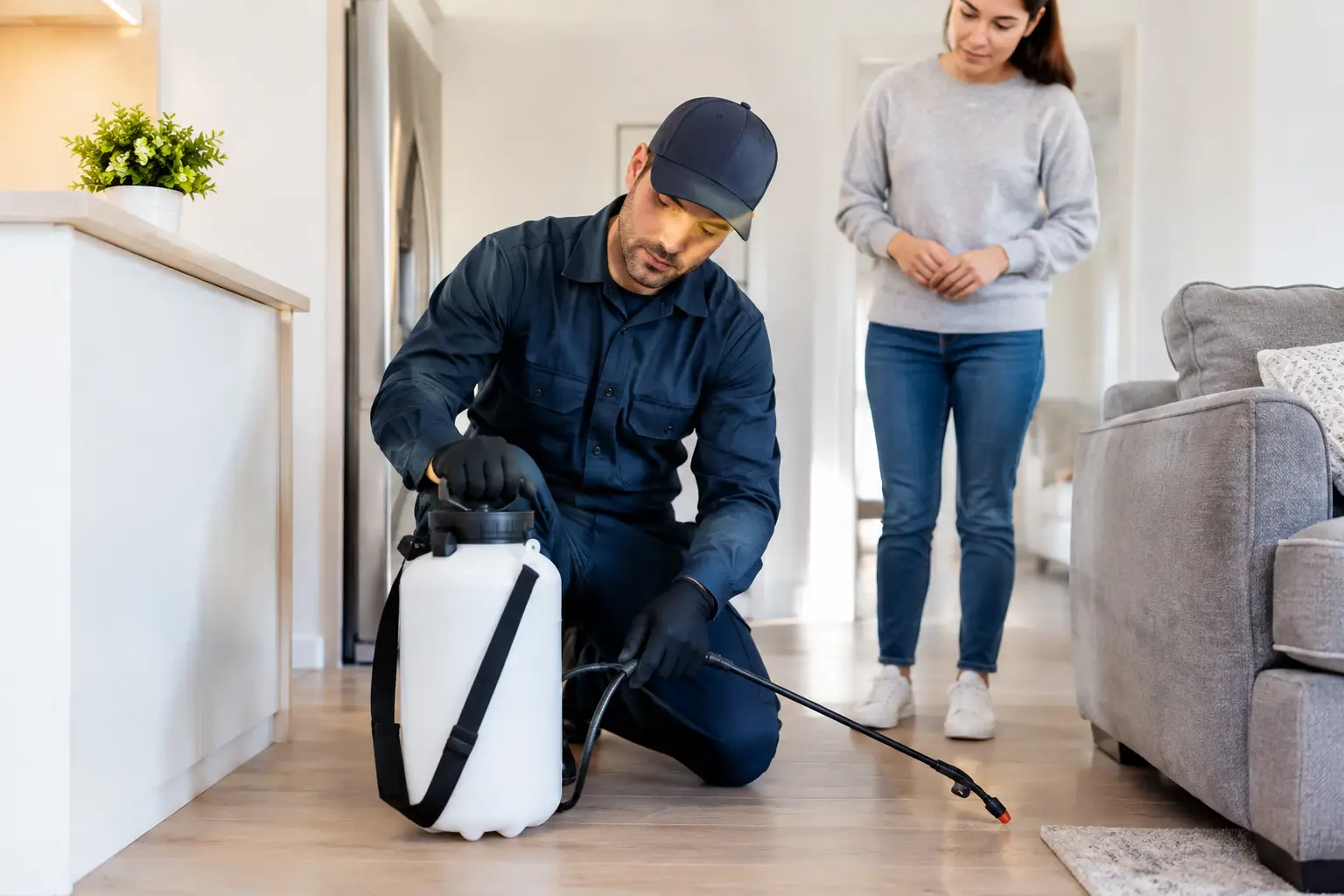
Learn how to prepare for extermination with simple steps that protect your family, improve treatment results, and help your Utah property return to normal.
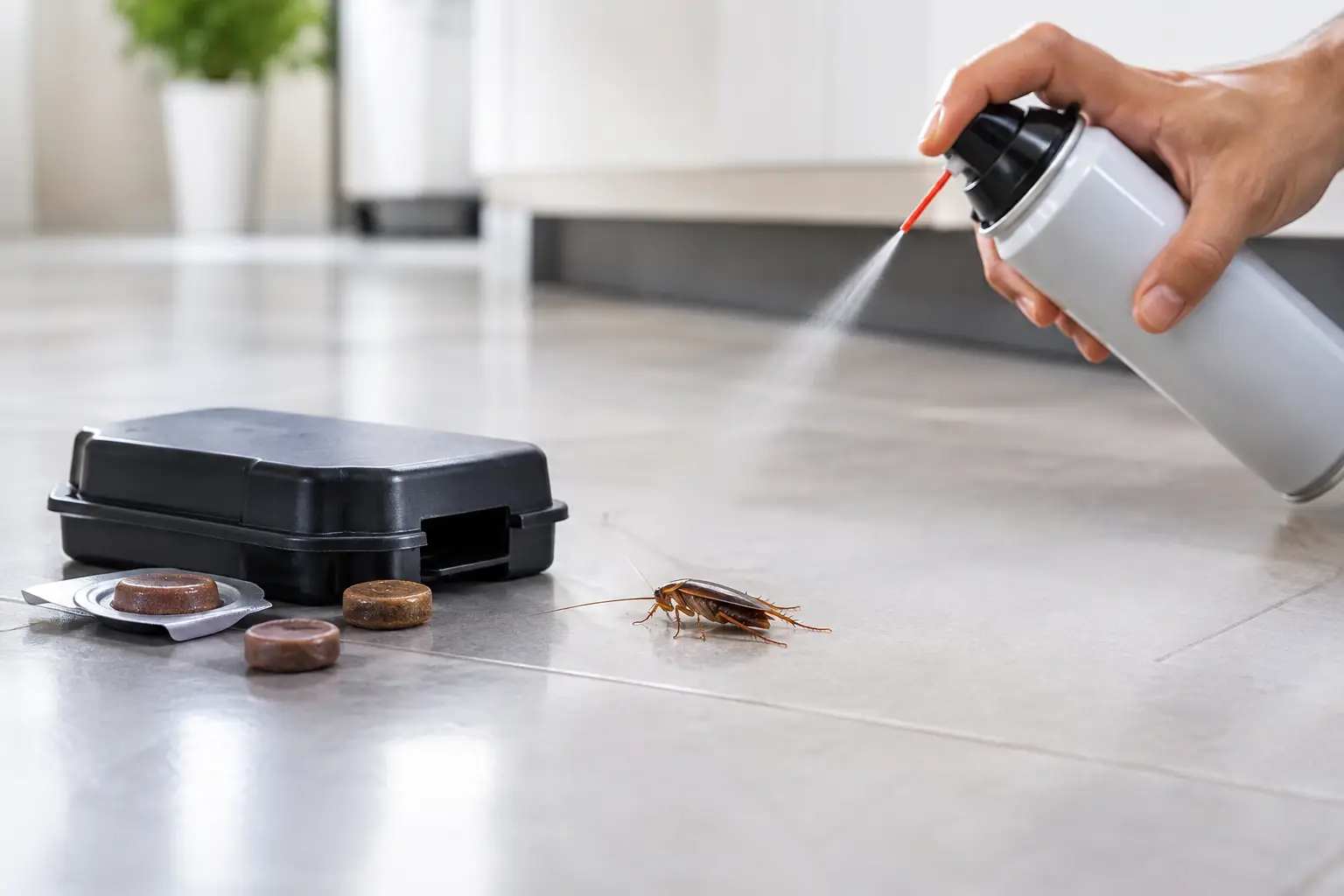
Cockroach bait versus sprays can affect safety, speed, and lasting control. Learn when each treatment works and when professional help is needed at home.