
A single cockroach under the kitchen sink, ants returning along the foundation, or spiders showing up in the garage can make a property feel less comfortable fast. A pest control free quote gives you a practical starting point: a conversation about what you are seeing, what may be attracting pests, and what it will take to protect the property.
For homeowners, landlords, property managers, and business owners, the right quote should do more than provide a number. It should help you understand the scope of the problem and the service needed to prevent it from growing.
What a Pest Control Free Quote Should Cover
Pest problems are rarely identical from one property to the next. A townhome with shared walls has different risks than a single-family home with a large yard. A multi-family community may need ongoing monitoring, while a restaurant, office, or warehouse may need service scheduled around operating hours and sensitive areas.
That is why a useful quote begins with the property itself. Square footage, lot size, building layout, the type of pest, and the level of activity all affect the recommended treatment plan. A technician or service representative may also ask where you have seen pests, how long the issue has been happening, and whether there have been previous treatments.
A clear quote should explain whether the service is designed for active extermination, ongoing prevention, or both. If an infestation is active, the first visit may focus on reducing current pest activity and identifying hiding places or entry points. Prevention service is often built around keeping pests from returning through regular exterior treatments, inspections, and targeted attention to areas where pests tend to enter.
The goal is not to sell a one-size-fits-all package. It is to match the work to your property and the problem in front of you.
Why Property Details Matter to Your Quote
Pests do not read property lines, and they do not respond to generic treatment plans. In Utah, seasonal changes can bring different pressure from spiders, ants, rodents, wasps, and other pests. Water sources, landscaping, foundation gaps, garages, storage areas, pet food, and neighboring units can all influence where pest activity starts and how quickly it spreads.
For a home, lot size can affect the amount of exterior treatment and the number of potential entry points. Larger homes may have more eaves, windows, utility penetrations, and interior areas to inspect. A smaller home can still need detailed service if pests are concentrated in a kitchen, basement, crawl space, or attached garage.
For commercial and multi-family properties, the assessment often needs to go further. Shared walls, common areas, dumpsters, maintenance rooms, vacant units, tenant turnover, and multiple building entrances can change the service plan. Cockroach activity in one unit, for example, may require a coordinated response to protect nearby units and avoid repeated issues.
Giving accurate information during the quote process helps create a more reliable recommendation. If you know the approximate square footage, lot size, pest type, and areas where activity is happening, have those details ready. Photos can also be helpful when they clearly show pest activity, droppings, nests, damage, or likely entry points.
Active Infestation or Preventive Service?
The best service depends on what is happening now. If you are seeing live pests indoors, finding signs of nesting, or noticing activity that is increasing week after week, it is usually time to address an active issue. Waiting can allow pests to spread deeper into walls, storage spaces, neighboring units, or food-preparation areas.
Active treatment is especially important when cockroaches are present. Cockroaches can multiply quickly, hide in tight spaces, and move between units in apartments, condos, and other multi-family properties. A careful treatment plan may include inspection, targeted applications, sanitation guidance, follow-up visits, and recommendations for reducing access to food, moisture, and hiding places.
Preventive service is a different conversation. It is often the right choice for property owners who want consistent protection before pests gain a foothold. Regular service can help reduce the chance of seasonal pests making their way inside, while giving a technician the opportunity to spot changing conditions around the property.
Neither approach is automatically better. A family dealing with ants in the kitchen needs a direct solution for the current activity. A homeowner who has dealt with spiders every spring may be better served by a recurring plan. A property manager may need both: immediate treatment in affected units and ongoing prevention across the community.
Questions to Ask Before You Approve Service
A free quote is also your chance to make sure the recommended service fits your needs. Ask what pests the plan is intended to address, what the first service includes, and whether follow-up visits are recommended. If the issue is inside, ask how the technician will treat the affected areas and what you should do before or after the visit.
Safety should be part of the conversation, particularly if there are children, pets, tenants, customers, or employees on the property. A professional pest control provider should explain how treatments are applied, what precautions are appropriate, and whether anyone needs to avoid treated areas for a period of time.
It is also reasonable to ask about the expected results and the next steps if pest activity continues. Some pests respond quickly, while others require time, follow-up service, or cooperation with sanitation and exclusion measures. Honest expectations are better than promises that ignore the realities of a pest infestation.
For property managers, ask how communication will work across units and with maintenance teams. Pest management is more effective when treatment, repairs, cleaning, and resident communication are coordinated. The right provider should understand that tenant comfort, occupancy, reputation, and prompt documentation all matter.
What You Can Do Before the Appointment
You do not need to solve the pest issue before requesting a quote. In fact, avoid using multiple store-bought products right before an inspection if possible. They can move pests away from visible areas, make activity harder to assess, or create unnecessary exposure when mixed with other treatments.
Instead, focus on gathering useful observations. Note when you first saw the pest, where it appears most often, and whether the activity changes at night, after rain, or near food and water. Check for obvious conditions such as open gaps around pipes, torn screens, standing water, loose weatherstripping, or cluttered storage spaces.
Basic cleanup can help, especially with ants and cockroaches. Wipe up crumbs and spills, store food in sealed containers, empty indoor trash regularly, and avoid leaving pet food out overnight. These steps are not a replacement for professional service when there is an infestation, but they can support a treatment plan and reduce the conditions pests use to survive.
Local Service Makes the Plan More Practical
Pest pressures can vary across the Wasatch Front and surrounding communities. A property in Logan may face different timing and environmental conditions than a property in Spanish Fork, Park City, or Grantsville. Local experience helps a technician recognize common seasonal patterns while still looking closely at the conditions specific to your building.
Pest Xperts provides property-specific consultations for homes, commercial properties, multi-family communities, and custom pest projects throughout its Utah service area. The quote process is designed to account for the real scale of the job, not just the pest name entered on a form.
If you are dealing with a current infestation, include as much detail as you can when you request service. If you are planning ahead, ask what preventive coverage makes sense for your home or facility. A clear conversation now can help protect your family, tenants, customers, and property before a small pest issue becomes a larger disruption.
continue reading
Related Posts

Learn the right pest inspection frequency for Utah homes, rentals, and businesses, plus the warning signs that call for a professional inspection now.
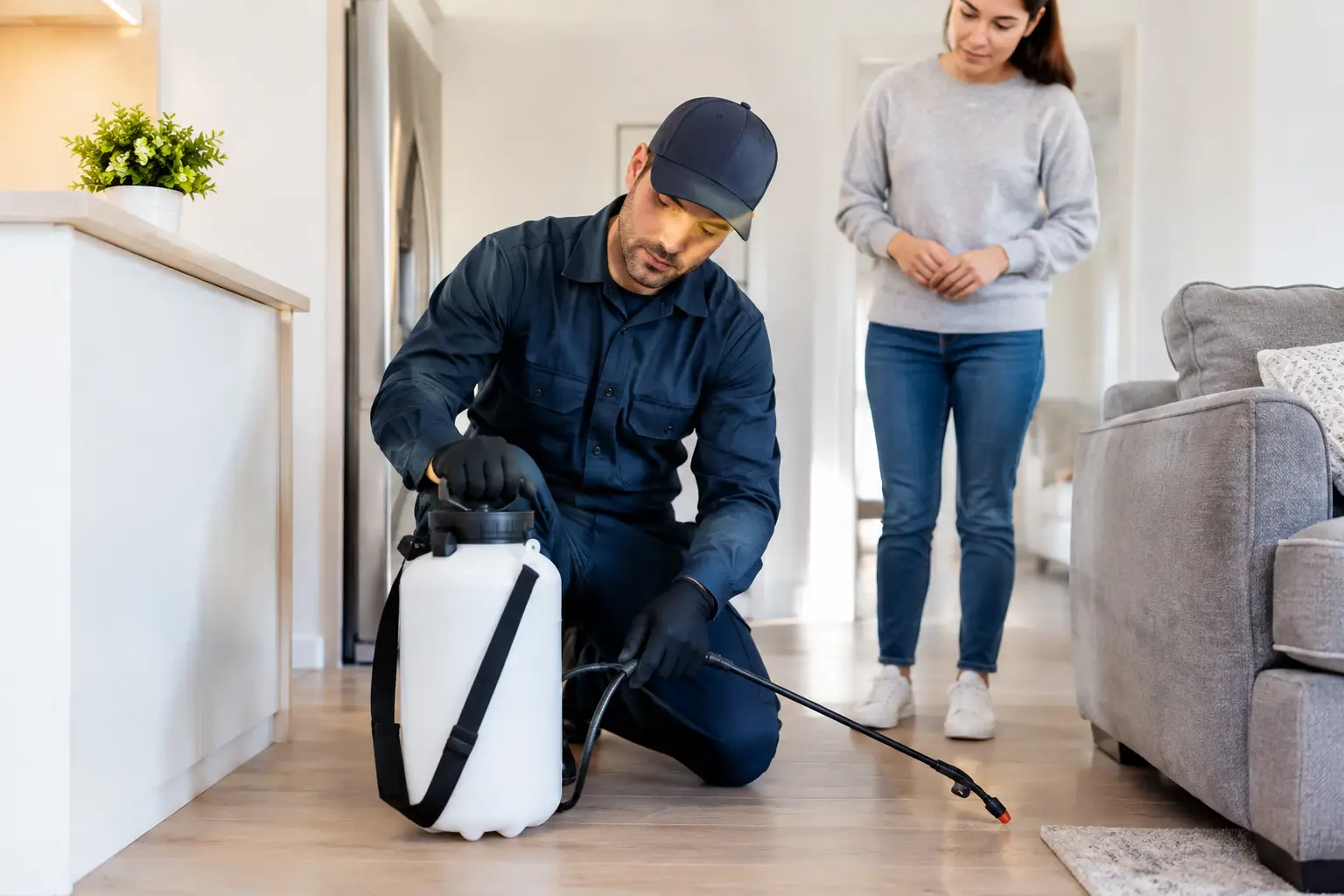
Learn how to prepare for extermination with simple steps that protect your family, improve treatment results, and help your Utah property return to normal.
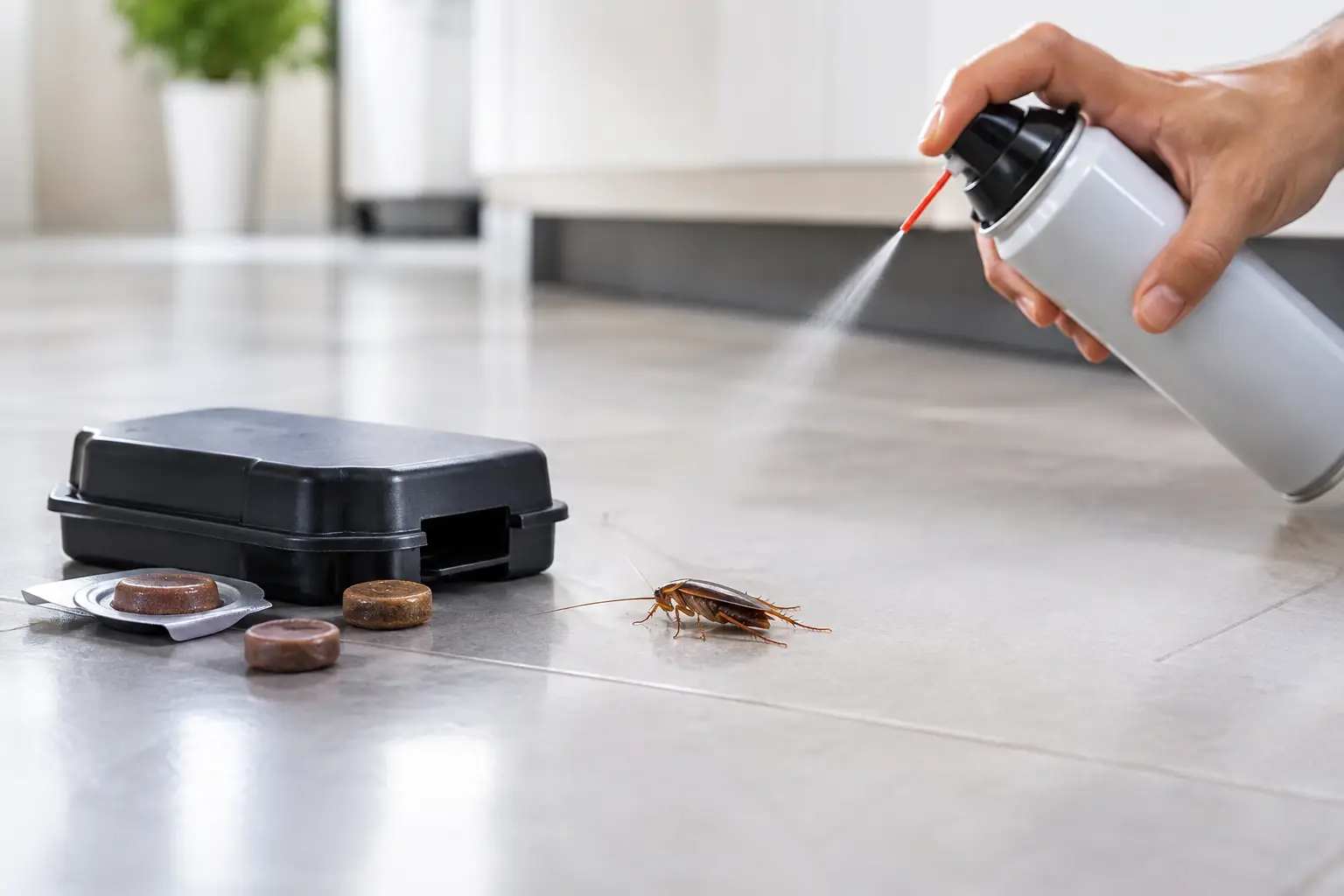
Cockroach bait versus sprays can affect safety, speed, and lasting control. Learn when each treatment works and when professional help is needed at home.